
An echocardiogram, often referred to as an “echo”, is a commonly requested heart imaging test that provides valuable insight into how your heart is working. If you have been referred for an echocardiogram, you may have questions about what the test entails and how to prepare. Understanding the process can help you feel more confident and at ease on the day of your appointment.
What is an Echocardiogram?
An echocardiogram is a non-invasive ultrasound examination of the heart. It uses sound waves to create moving images of the heart’s structures, including the chambers, valves and surrounding blood vessels. Unlike X-rays or CT scans, echocardiograms do not use radiation.
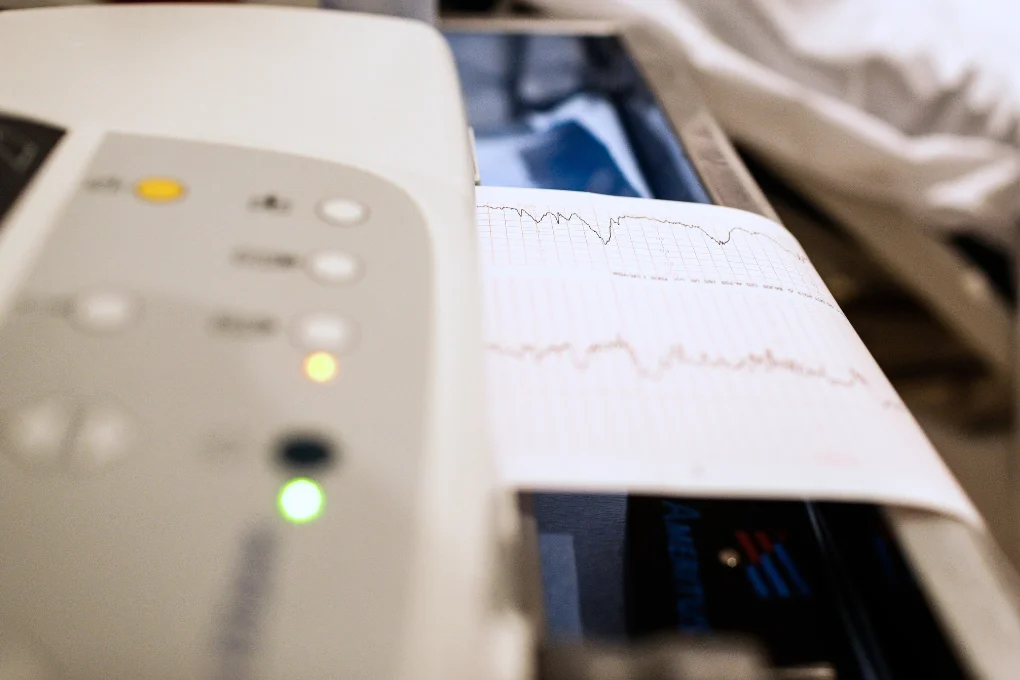
Doctors may order an echocardiogram to evaluate symptoms such as shortness of breath, chest discomfort, palpitations, or unexplained fatigue. It is also commonly used to monitor known heart conditions, evaluate heart murmurs, or assess heart function before or after certain medical treatments.
What Information does an Echocardiogram Provide?
An echocardiogram allows specialists to examine:
- The size and shape of the heart
- How effectively the heart is pumping blood
- The function of the heart valves
- The thickness and movement of the heart muscle
- Blood flow through the heart
This information helps your referring doctor make informed decisions about further investigation or management. It is important to note that an echocardiogram is a diagnostic tool and forms just one part of your overall clinical assessment.
What Happens During the Procedure?
A standard transthoracic echocardiogram is performed while you lie comfortably on an examination bed. A trained cardiac sonographer will place small electrodes on your chest to monitor your heart rhythm. A clear gel is applied to the skin, and a handheld device called a transducer is gently moved across the chest.
The transducer sends sound waves into the body and receives echoes from the heart. These echoes are converted into real-time images displayed on a monitor. You may be asked to change position or briefly hold your breath to obtain clearer images. The test typically takes 30 to 45 minutes.
How Should you Prepare?
In most cases, no special preparation is required for a standard echocardiogram. You can eat, drink and take your usual medications unless your referring doctor has advised otherwise.
It is helpful to:
- Wear comfortable clothing, as you may need to change into a gown
- Bring your referral form and any relevant medical information
- Arrive a few minutes early to complete any paperwork
If you are booked for a specialised echocardiogram, such as a stress echocardiogram, you may receive specific instructions in advance.
What Happens after the Test?
Once the examination is complete, you can resume your normal activities straight away. The images will be reviewed and reported by a qualified specialist, with results sent to your referring doctor. They will discuss the findings with you and explain what they mean in the context of your overall health.
SmartCare Diagnostics focuses on delivering timely cardiac imaging using modern technology and experienced professionals, ensuring your referring practitioner has the information needed to guide your care.
Reassurance and Next Steps
An echocardiogram is a routine and valuable investigation that provides detailed information about heart health. If you have questions or concerns before your appointment, the SmartCare Diagnostics team is available to assist and ensure you are informed throughout the process.
Medical Disclaimer
This article is for general information and educational purposes only. It is not a substitute for professional medical advice, diagnosis, or treatment, and does not establish a doctor-patient relationship. All medical procedures carry risks, and outcomes vary between individuals. Always seek the advice of your GP, specialist, or another appropriately qualified health professional with any questions you may have regarding a medical condition or treatment. Where further or specialised care is required, your treating practitioner can provide an appropriate referral.
Why wait or pay too much for diagnostic tests?