
A slip on wet tiles, a sporting injury, a fall from a ladder, or even a minor accident can leave you wondering whether something is seriously wrong. Pain, swelling or difficulty moving a limb may settle within hours, or they may be signs of a fracture that requires proper medical assessment. When it comes to bone injuries, an X-ray is often the most important first step in getting the right diagnosis and treatment.
At SmartCare Diagnostics, we provide fast, accessible diagnostic imaging to help GPs and clinicians assess suspected fractures promptly, supporting safer recovery and reducing the risk of long-term complications.
Why fractures are not always obvious
Not all fractures cause severe pain or visible deformity. Hairline fractures, stress fractures and small breaks can sometimes feel like a bad sprain or soft-tissue injury. In other cases, swelling can mask the severity of the injury, or adrenaline may delay pain immediately after trauma.
Without imaging, it can be difficult to know whether:
- A bone is fractured or cracked
- A joint is involved
- The bone is properly aligned
- There is damage that may worsen if left untreated
An X-ray allows your doctor to see beyond the surface symptoms and make informed decisions about the safest next steps.
The role of X-ray imaging in fracture diagnosis
X-ray imaging remains the gold standard for detecting fractures. It provides clear images of bones and joints, allowing clinicians to identify:
- Complete and incomplete fractures
- Hairline or stress fractures
- Displacement or misalignment of bones
- Joint involvement
- Signs of previous injury or healing issues
This information is essential in determining whether treatment involves rest, immobilisation, splinting, casting, further imaging, or referral to an orthopaedic specialist.
Why early imaging matters
Delaying an X-ray when a fracture is suspected can increase the risk of complications. An undiagnosed fracture may:
- Heal incorrectly
- Worsen with continued use or weight-bearing
- Cause chronic pain or reduced mobility
- Lead to joint stiffness or long-term dysfunction
Early diagnosis allows treatment to begin sooner, supporting better healing and a faster return to normal activities.
Common injuries where an X-ray is recommended
Your GP may refer you for an X-ray if you experience:
- Persistent pain after a fall or impact
- Swelling, bruising or tenderness over a bone
- Difficulty bearing weight or using a limb
- Limited range of motion in a joint
- Pain that does not improve after several days
X-rays are commonly used to assess injuries involving:
- Wrists, hands and fingers
- Ankles and feet
- Knees and hips
- Shoulders, elbows and arms
- Ribs and chest wall
Even if symptoms feel mild, imaging can help rule out fractures and provide reassurance.
What to expect during an X-ray
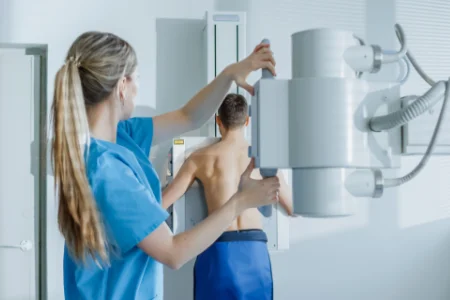
An X-ray is a quick, straightforward procedure. At SmartCare Diagnostics:
- The scan is usually completed within minutes
- No special preparation is required
- Radiation exposure is kept as low as reasonably achievable
- Images are reviewed promptly and shared with your referring doctor
Our experienced radiographers ensure your comfort while capturing the images needed for accurate assessment.
Supporting your recovery
Once the X-ray results are available, your GP can explain the findings and guide your care. This may include:
- Rest and activity modification
- Splinting or casting
- Pain management strategies
- Referral for further imaging if needed
- Specialist review for complex injuries
Clear imaging helps ensure treatment is tailored to your injury, rather than relying on guesswork.
Accessible imaging across South-East Queensland
SmartCare Diagnostics, Springfield, offers convenient access to X-ray services, helping patients receive timely imaging close to home. Our clinics are located in:
With bulk-billed X-ray services available for eligible patients with a valid Medicare card and any GP referral, SmartCare Diagnostics helps remove barriers to essential diagnostic care.
Don’t ignore ongoing pain
If you’ve had an injury and symptoms aren’t improving, it’s important not to push through the pain or assume it will resolve on its own. An X-ray can provide clarity, peace of mind and a clear path forward.
SmartCare Diagnostics works closely with referring GPs to deliver timely, reliable imaging that supports safe diagnosis and recovery, because the right information makes all the difference.
Why wait or pay too much for diagnostic tests?