
Medical imaging has become one of the most important tools in modern healthcare. From diagnosing fractures to identifying heart disease, radiology and radiography allow clinicians to look inside the body non-invasively.
For residents in Springfield, Ipswich, Ripley, and the Greater Springfield corridor, understanding how and where imaging fits into your care pathway is just as important as the technology itself. SmartCare Diagnostics forms part of the broader SmartCare UrgentCare model, offering a private alternative to hospital Emergency Departments (EDs) with emergency specialist-led care, on-site imaging, and same-visit assessment for urgent but non-life-threatening conditions.
Radiology And Radiography
Radiology is the medical specialty that uses imaging techniques to diagnose and sometimes monitor disease. Radiography refers to the process of capturing images using technologies such as X-ray, ultrasound, CT scans, and other imaging systems. These radiography services allow healthcare professionals to examine internal structures, including bones, organs, blood vessels, and soft tissues.
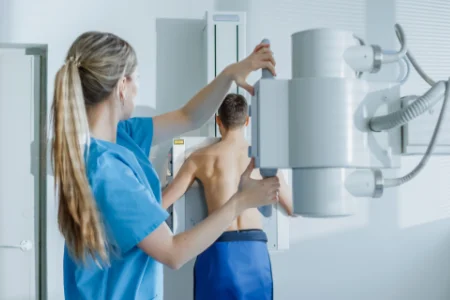
In many cases, diagnostic imaging in Brisbane is not a standalone service, but part of a broader clinical decision. Unlike the traditional pathway of visiting a GP, then being referred externally for imaging, or waiting in a hospital ED, SmartCare integrates urgent care assessment with immediate access to imaging, allowing clinicians to make more informed decisions during the same visit.
More Accurate Imaging And Healthcare Technology
Over the past decade, diagnostic imaging equipment has improved significantly. Newer systems can capture higher-resolution images while often using lower radiation doses. This supports earlier detection and more precise assessment of a range of conditions.
For example, advances in ultrasound and cardiac imaging allow doctors to evaluate blood flow and heart function in detail without invasive procedures. Artificial intelligence is also being explored in radiology in Australia, assisting clinicians by identifying patterns within images and highlighting areas for further review. These technologies support clinical decision-making but are always interpreted within the broader clinical context.
Within an urgent care setting, these advances are particularly valuable, as they allow for faster, more confident decision-making at the point of care.
Faster Access To Results
One of the most meaningful changes in radiology has been the speed at which results can be reviewed. Digital imaging systems allow scans to be uploaded and assessed quickly, reducing delays between testing and diagnosis.
At SmartCare, imaging is integrated directly into the urgent care environment. This means that when imaging is required, it can often be performed and reviewed during the same visit. Rather than being sent elsewhere or waiting for follow-up, patients can receive a same-visit assessment and clearer next steps, which can reduce uncertainty and help guide timely treatment.
Imaging In Preventive And Urgent Care
Diagnostic imaging supports both preventive care and the assessment of new or worsening symptoms. It may be considered when patients experience:
- Chest pain or shortness of breath
- Persistent pain after an injury
- Suspected fractures or soft tissue injuries
- Need for cardiac assessment such as echocardiography
In these scenarios, imaging helps clinicians determine the cause of symptoms and whether further treatment or referral is required.
Within SmartCare UrgentCare, imaging plays a key role in bridging the gap between GP and hospital care, supporting timely decisions for conditions that should not be delayed but do not require emergency department resources.
Why Choose SmartCare Diagnostics?
Across Australia, access to diagnostic imaging continues to expand. What differentiates SmartCare is not just the availability of imaging, but how it is integrated into your care.
SmartCare Diagnostics is part of a model that provides:
- A private alternative to hospital EDs
- Emergency specialist-led care
- Immediate access to on-site CT, X-ray, and pathology
- Same-visit assessment, imaging, and clinical decision-making
This approach means imaging is not a separate step, but part of a coordinated, same-day care pathway.
If your condition is urgent but not life-threatening, this integrated model can help you avoid delays and multiple appointments, while still receiving appropriate clinical oversight.
Making The Right Choice For Imaging
If your symptoms are mild or ongoing, your GP remains the appropriate first step. However, if your condition requires more immediate assessment and may involve imaging, urgent care provides an alternative pathway.
SmartCare combines clinical assessment with immediate diagnostics, helping move from symptoms to a clearer diagnosis in a single visit where appropriate.
For life-threatening emergencies, always call 000 or attend the nearest emergency department.
Medical Disclaimer: This article provides general information for educational purposes only. It is not a substitute for professional medical advice, diagnosis, or treatment. All medical procedures carry risks, and results vary between individuals. Always seek the advice of your GP, specialist, or another appropriately qualified health professional with any questions you may have regarding a medical condition or treatment.
Accessible diagnostic testing. Bulk billed for eligible Medicare cardholders.