
Feeling your heart suddenly race, skip or pound can be unsettling, and when you add breathlessness or chest discomfort, it becomes much harder to brush off.
These symptoms can have many causes and sometimes they happen briefly and disappear before you even reach your GP. They may only happen during exercise, at night or every few days too.
Knowing when to seek urgent care and when diagnostic testing can help is an important first step.
SmartCare Diagnostics provides cardiac and respiratory investigations across its clinic network, with locations in Springfield, Ipswich, Mt Gravatt, North Lakes and Capalaba. All referrals are accepted and bulk billing is available for eligible Medicare card holders.
Already have your referral handy?
Call 000 or go to your nearest emergency department if you have severe, new or worsening chest pain, pain that is spreading to other areas of your body, severe shortness of breath, fainting, confusion or any other symptoms that feel life-threatening.
When should you see your GP or urgent care?
Symptoms that are not an emergency still deserve attention if they keep happening, are becoming more noticeable or are starting to affect everyday life.
Maybe your heart races when you are sitting on the couch. You might find yourself unexpectedly puffed walking up the driveway, or start avoiding exercise because you are worried the chest tightness will return.
Your GP will usually want to know what the symptom feels like, when it started and what you are doing when it happens.
It can help to think about:
- How long each episode lasts
- How often it happens
- If symptoms start during exercise or at rest
- If you feel dizzy or faint at the same time
- If anything seems to trigger it
- New medications or recent illness
- Caffeine, alcohol or smoking
- Previous heart or lung problems
- Any family history your GP should know about
These details can help your doctor decide which investigation is most useful rather than ordering tests without a clear reason.
What can palpitations feel like?
Palpitations can feel different from person to person, but you might notice:
- Your heart racing
- Fluttering in your chest
- A pounding heartbeat
- Skipped or extra beats
- Episodes lasting a few seconds or longer
- Symptoms that come and go without warning
It can be frustrating when the feeling stops by the time you can see your GP or another doctor. That is why the type of heart rhythm test they choose can matter.
Types of cardiac testing at SmartCare Diagnostics
ECG
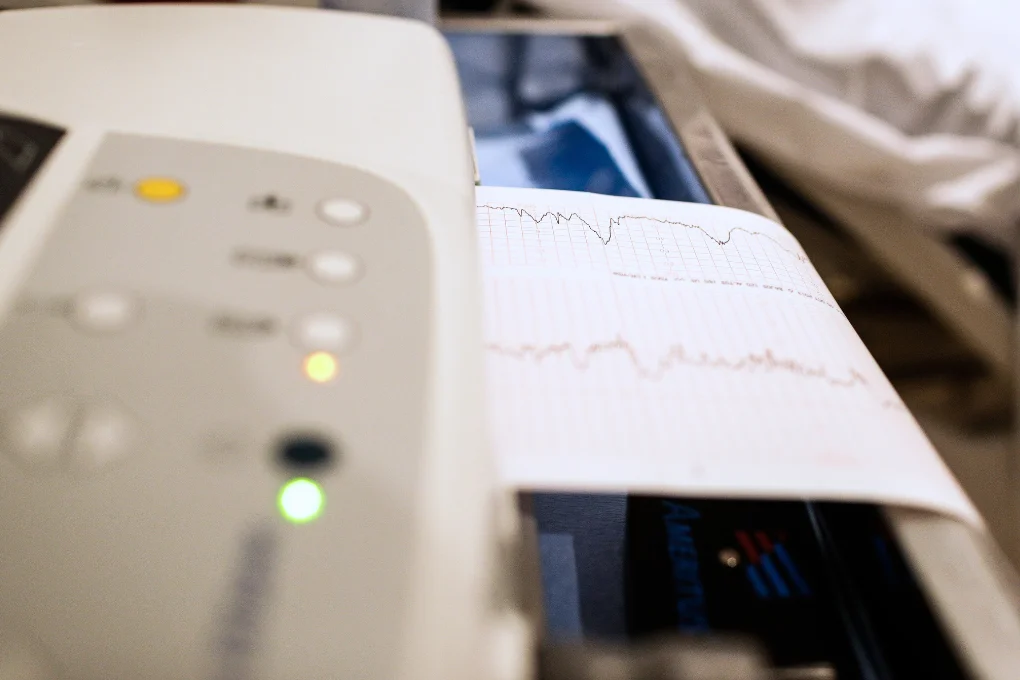
An electrocardiogram (ECG) records the electrical activity of your heart at one point in time.
Echocardiogram
An echo uses ultrasound to look at the heart’s structure, valves and pumping function.
Stress echocardiogram
A stress echo uses ultrasound before and after exercise to see how your heart responds when working harder.
Holter monitoring
Monitors and continuously records your heart rhythm over a longer period to help capture palpitations or rhythm changes that may come and go.
24-hour blood pressure monitoring
Tracks blood pressure through the day and night to show patterns that may not appear in a single clinic reading.
If palpitations are the main concern, an ECG or Holter monitor may be useful. If symptoms also include breathlessness, reduced exercise tolerance or chest discomfort, your GP may consider an echocardiogram or stress echocardiogram as part of the investigation.
What if I’m feeling breathlessness?
Breathlessness can come from the heart or lungs, and sometimes the cause is not obvious from symptoms alone. Your GP may need to consider your heart, lungs, recent illnesses, medications, sleep and other parts of your health before deciding what to test. The pattern matters too.
Feeling breathless only when running is very different from becoming puffed walking from the car, waking short of breath at night or noticing that stairs have become much harder than they used to be.
SmartCare Diagnostics provides both cardiac and respiratory investigations, so the testing recommended will depend on what your GP is trying to find out.
Breathlessness testing at SmartCare Diagnostics
Lung function testing
Respiratory testing measures how well air moves in and out of your lungs. It may be requested when symptoms such as ongoing breathlessness, wheezing, cough or chest tightness raise questions about conditions such as asthma or COPD.
Lung condition testing
Investigations of possible respiratory conditions more closely and specifically.
Sleep testing
Poor sleep can also contribute to daytime exhaustion and breathing concerns. If you snore loudly, wake gasping, have morning headaches or someone notices pauses in your breathing, your GP may consider a home sleep study.
Why does reporting time matter?
Waiting for a result can be difficult when you do not know why your heart keeps racing or why normal activities suddenly leave you short of breath.
Some people stop exercising and many become anxious thinking about the next episode or become nervous about driving, working alone or being too far from help.
SmartCare Diagnostics returns routine reports to the referring doctor within 24-48 hours and urgent findings are communicated promptly and directly to the referring doctor.
That gives your GP the information they need to review the findings without unnecessary delays to discuss what should happen next with you and your care.
Already have your referral? Our team can check the booking details, available clinic and billing before your appointment.
Are cardiac and lung tests bulk billed?
Bulk billing is available for eligible Medicare card holders and approved investigations at SmartCare Diagnostics.
Referral and Medicare requirements do apply, and the SmartCare Diagnostics team can check your referral and explain any relevant billing details when you book.
That means you have a clearer idea of what to expect before arriving, especially when health concerns have already meant appointments, time away from work or disruption at home.
FAQs around heart and lung testing
Are palpitations always serious?
Not always. Palpitations can have several causes and do not automatically mean there is a heart problem. Repeated, worsening or concerning palpitations should receive medical care.
Can breathlessness come from the heart?
Yes. Breathlessness can be linked to the heart, lungs, sleep or other health concerns. Your GP will assess your symptoms and decide which investigations may help.
What if my symptoms only happen occasionally?
Tell your GP how often the episodes happen. A longer heart rhythm recording such as Holter or event monitoring may be considered when symptoms are not happening all the time.
Do I need a referral?
Yes, referral is required for diagnostic testing. SmartCare Diagnostics accepts referrals from eligible referring practitioners, even if another diagnostic provider is named on the referral.
Ready to book your heart or lung test
If palpitations, breathlessness or chest discomfort keep returning and your GP has recommended further investigation, SmartCare Diagnostics can help organise your testing closer to home.
Our clinic network includes Springfield, Ipswich, Mt Gravatt, North Lakes and Capalaba, with cardiac and diagnostic services available across multiple locations. Services vary by clinic.
Already have a referral?
Other questions? CONTACT OUR TEAM
Ready to book in? BOOK YOUR CARDIAC OR LUNG TEST TODAY
Cardiac Tests | Respiratory Tests
*This article is for general information and educational purposes only. It is not a substitute for professional medical advice, diagnosis or treatment. Always follow the guidance of your GP, specialist or other qualified health professional regarding any questions about your health. Please call triple zero (000) immediately if you believe your symptoms are life-threatening.
Accessible diagnostic testing. Bulk billed for eligible Medicare cardholders.